MARKETING GROUP
The MARKETING GROUP
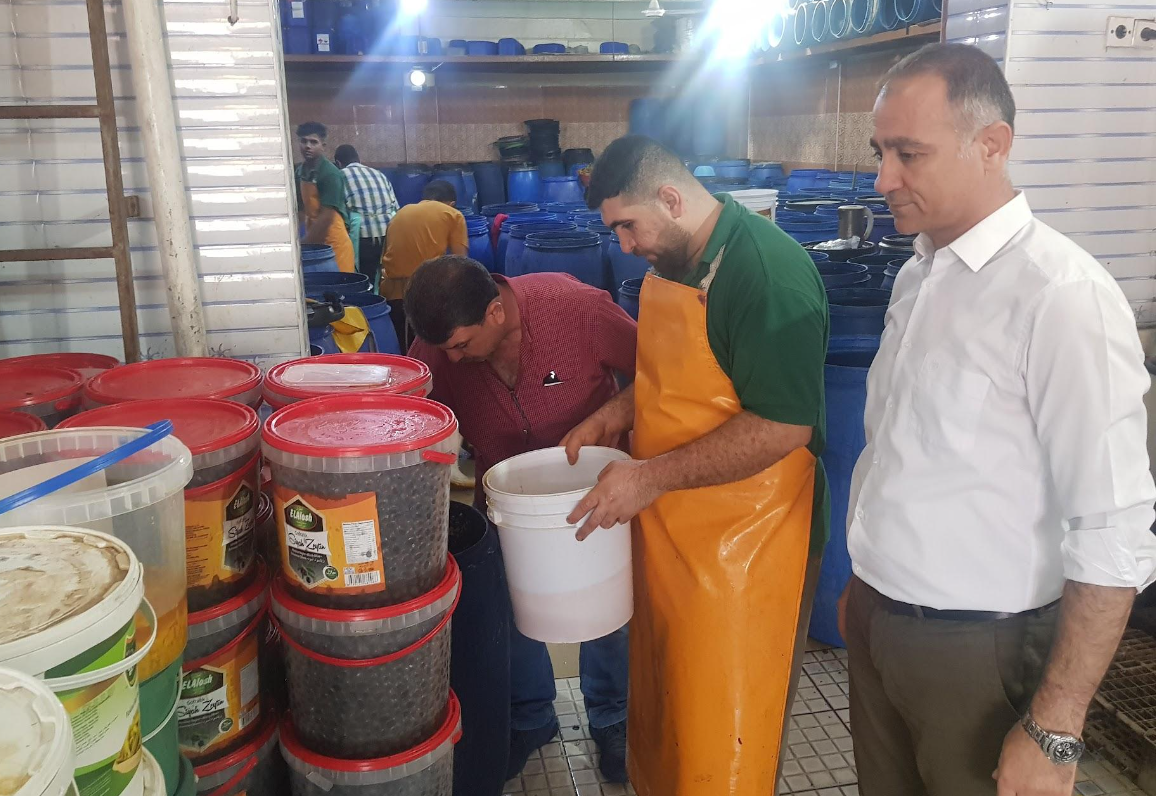
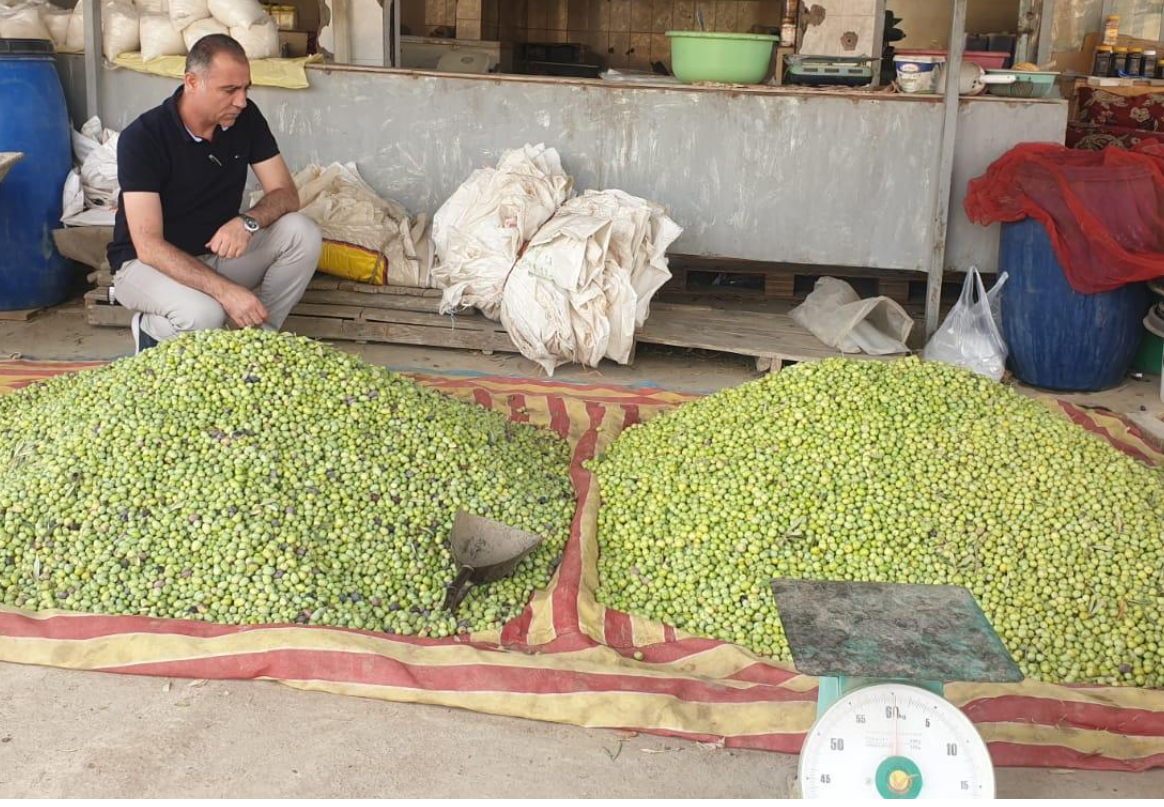
The Marketing Group has defined an action plan to achieve the project “Support to Traditional Cultural Practices in Northern Iraq” goals in general supported by LASER PULSE and the USA Agency for International Development (USAID) and the goals of the Marketing Group in particular. Where the Marketing Group started by getting to know the olive farmers and their requirements and the problems they face, they then held meetings with the owners of factories and shops, specifically Al-Tarshi stores (as retailers), studying their requirements and knowing the level of demand for olive products. In addition, the group searched for previous studies on olive marketing and collected the published research in order to achieve the general goal of the group, which consists of several studies, including:
- Product evaluation
- Competitor analysis
- Consumer analysis
- Market segmentation
- Olive marketing policy and plan
- Application of results to farmers in the Bashiqa sub-district.
Therefore, the marketing team carried out several activities, including the design of three models of the questionnaire form, in order to collect and analyse information and reach concrete and realistic solutions. We also found that the number of olive trees registered with state institutions is (268,447) trees, with more than (10,000) unregistered trees, and the production quantity for the previous year was as follows: (Local Bashiqi olives = 6354 tons - Syrian olives = 396 tons - Khastawi olives = 125 tons - Spanish olives = 4 tons).
It is worth noting that the cost of pressing olives per ton ranges between (120,000 - 150,000 Iraqi dinars). As the preliminary results show, the consumption part consists of: 1. household consumption of 80%; household consumption of olive press at 18%; and individual consumption of 2% per farmer. In order to transfer the knowledge and information that we have gained from these studies, we have created four different training units:
- An introduction to olive picking.
- Olive treatments after harvest.
- Storage of olives and olive oil.
- Marketing olives and olive oil products through: branding - packaging - labels - marketing channels - and the supply chain.
- Practical training in squeezing olives, pressing olives in large and small quantities, and pickling them.
Marketing Analysis
Every popular product on store shelves is a result of a long history of market analysis among competitors and consumers. The creation of a marketing strategy is the first and most vital phase of a market analysis. As the backbone of market analysis, data collection determines if a forthcoming product or service will meet the needs of its target audience. When it is done correctly, market research can yield invaluable information on current industry trends, demographics, spending habits of clients, and competitors.
For this purpose, the marketing team focused on olive production in Ninawa Plain to identify the main challenges that face olive producers in the area while marketing their products. Some questionnaires were designed to gather the information that would be used for marketing analysis to support the olive producers with suggestions and recommendations to market their products better.
The Mission.
Supporting local farmers to provide olive oil and high-quality olive products for those consumers who want to consume local products due to health awareness and cultural principles.
The Marketing Objectives and Activities:
Objective 1: Producer analysis: Identify the specific attributes that make the product stand out from the competition.
Objective 2: Competitor analysis: Price monitoring to identify the points where the olive producers can have an opportunity for a higher profit.
Objective 3: Consumer analysis: Investigate consumer behavior to identify what they are looking for while making the purchasing decision and their willingness to pay for the locally produced olive.
Objective 4: Segment potential buyers: Establishing olive market segmentation based on geographic, demographic, psychographic, and behavioral information.
Objective 5: Marketing plan: Developing a marketing strategy or a marketing policy.
Objective 6: Implementation Phase: Training around 50 olive farmers during the training sessions and sharing the marketing analysis results with them.